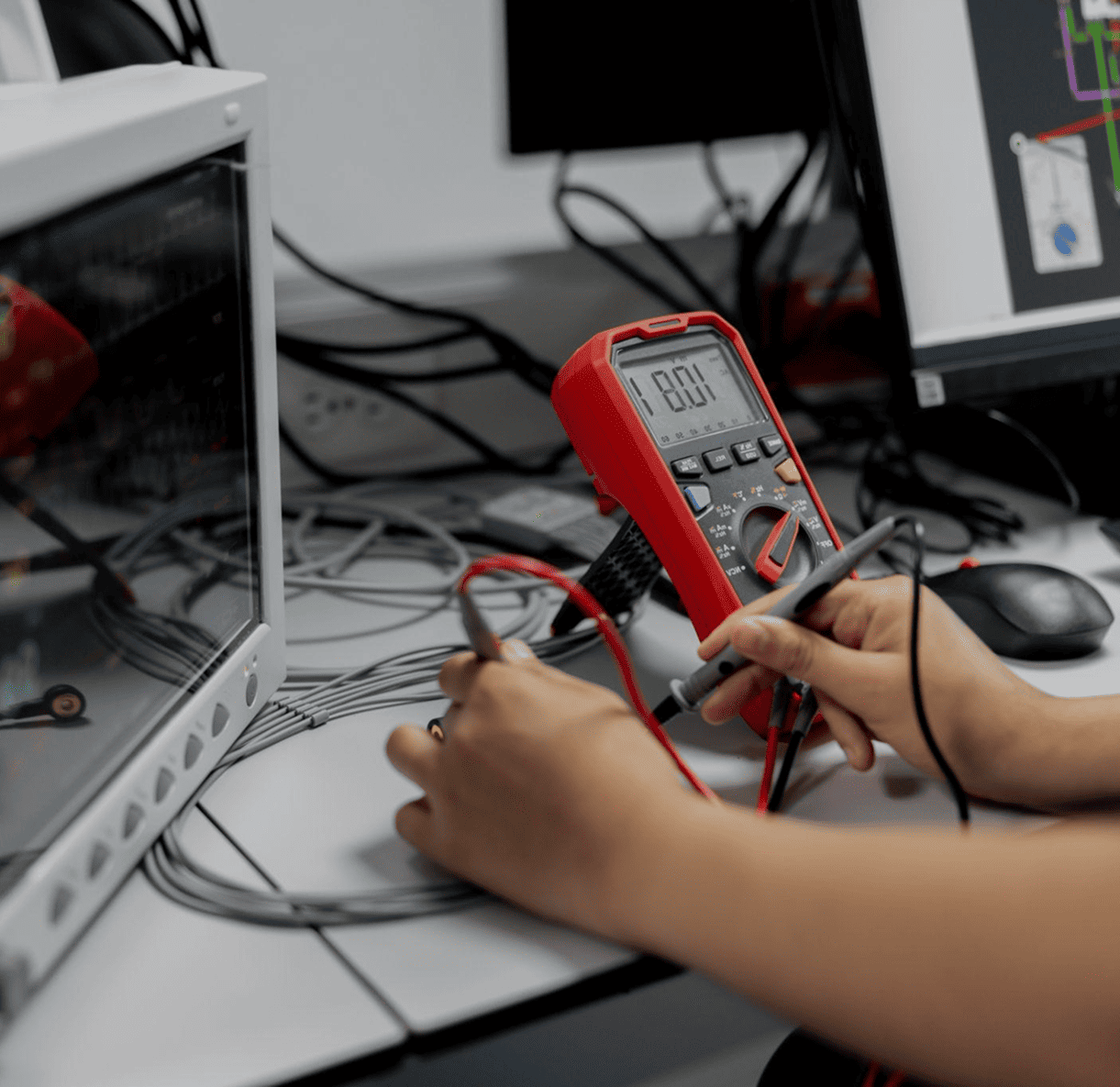
Why Electrical Safety Testing Matters

Healthcare facilities depend on equipment that must operate safely in proximity to patients, clinical staff, and interconnected systems. Electrical safety testing provides confirmation that applicable devices are not presenting avoidable electrical hazards and are performing within the expected service framework.

For facility operators and administrators, this matters from both a patient safety standpoint and a documentation and accountability standpoint. A structured testing process supports preventive maintenance programs, strengthens internal review capabilities, and produces the service records facilities need to remain organized and inspection-ready.

For long-term care facilities, clinics, and imaging centers that may not have a dedicated biomedical engineering team, electrical safety testing is often one of the first services to fall behind schedule. Without a structured program in place, equipment may go years without proper testing – creating both patient safety risk and compliance exposure. MBT helps facilities build testing into a regular service schedule so nothing falls through the cracks.

For imaging equipment specifically, electrical safety testing carries additional importance. Imaging systems involve high-voltage components, patient-connected accessories, and complex grounding requirements. MBT’s lead engineer’s 30+ years of specialized radiology and diagnostic imaging experience means electrical safety testing for imaging equipment is performed with a level of system familiarity that general biomedical service providers often cannot offer.

When Facilities Request This Service

  • As part of routine preventive maintenance
  • After repair or corrective service
  • When equipment performance requires additional verification
  • During documentation or compliance reviews
  • When a facility is strengthening its maintenance program and improving record quality
  • When preparing for a Joint Commission, CMS, or state survey and needing current testing records
  • When onboarding new equipment and establishing a baseline safety record
  • When a facility is setting up a preventive maintenance program for the first time
  • When transitioning from an OEM service contract and needing independent testing documentation

Facilities do not need to wait for a compliance deadline or an equipment failure to request electrical safety testing. Building testing into a regular preventive maintenance schedule is the most effective way to stay organized, reduce risk, and maintain the documentation that accreditation and inspection processes require.
What The Service Includes

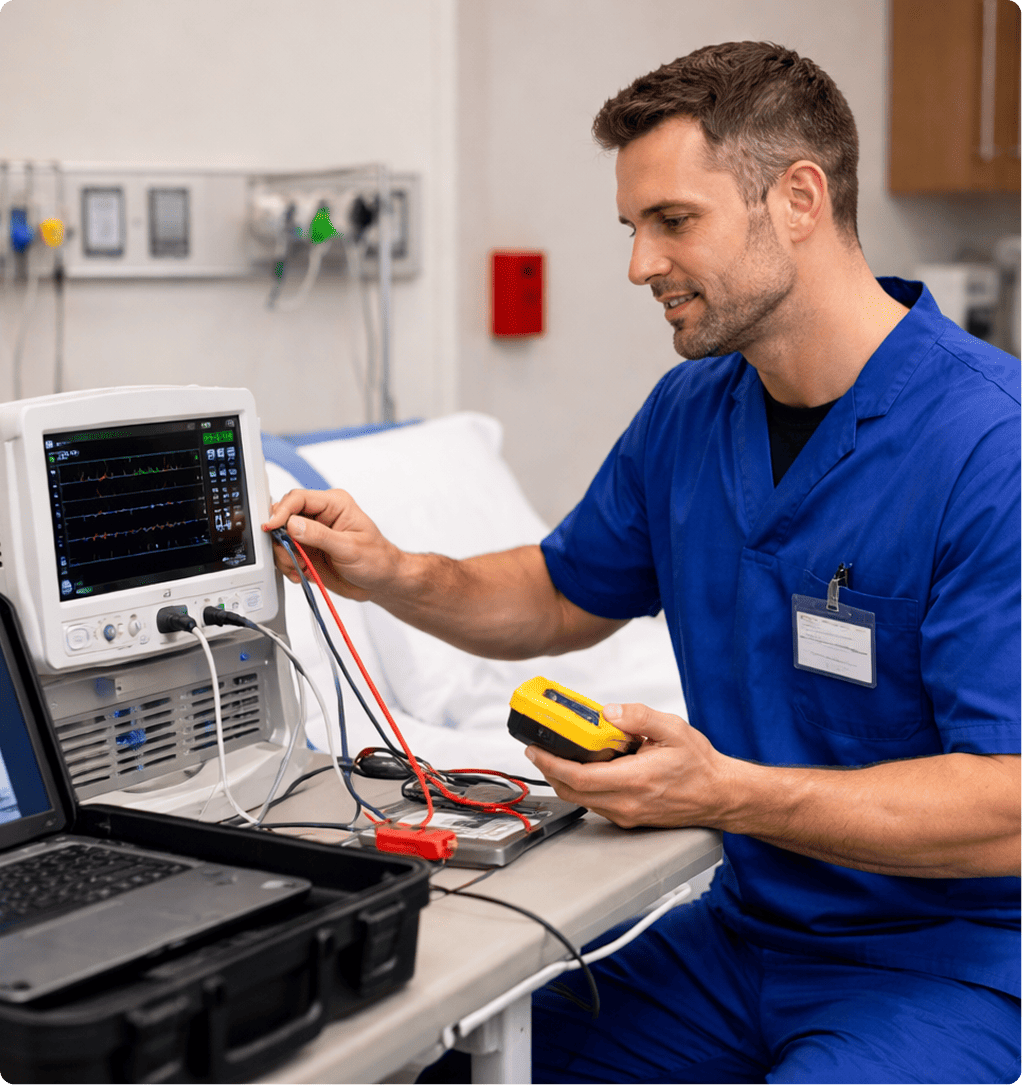
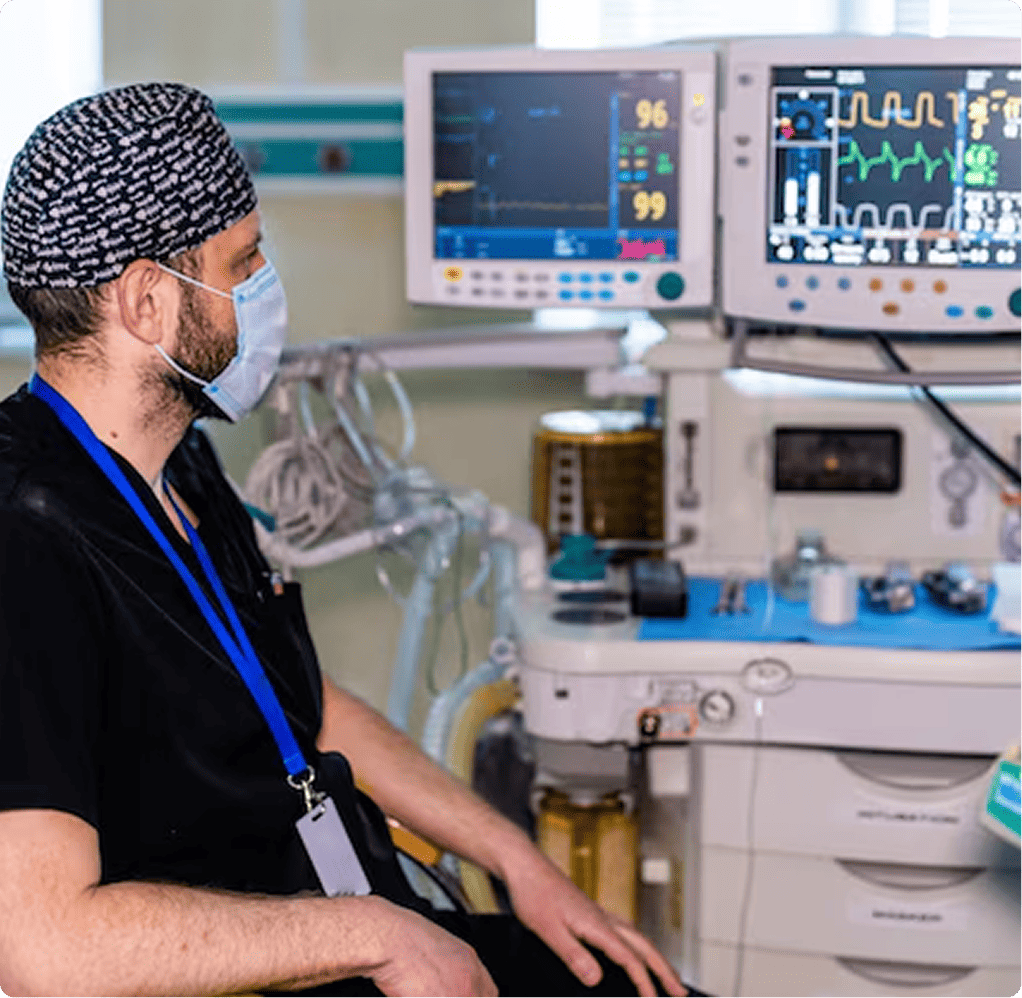
  • Electrical safety testing performed within the approved equipment scope
  • Review of equipment condition and service context
  • Documentation of findings and identification of any required follow-up
  • Coordination with preventive maintenance, repair, or verification work when applicable
  • Clear communication with the facility regarding findings and recommended next steps
  • Leakage current testing for patient-connected and patient-care equipment
  • Ground continuity and resistance checks where applicable
  • Equipment identification and inventory documentation during testing
  • Written test results provided after every session, formatted for compliance recordkeeping

Testing is performed within MBT’s approved equipment scope. Before any testing engagement, MBT will review the facility’s equipment list to confirm which devices fall within scope and communicate clearly about any equipment that requires a different service approach. Facilities receive a written summary of all testing performed and findings identified after every visit.
Where This Fits in MBT's Service Mix

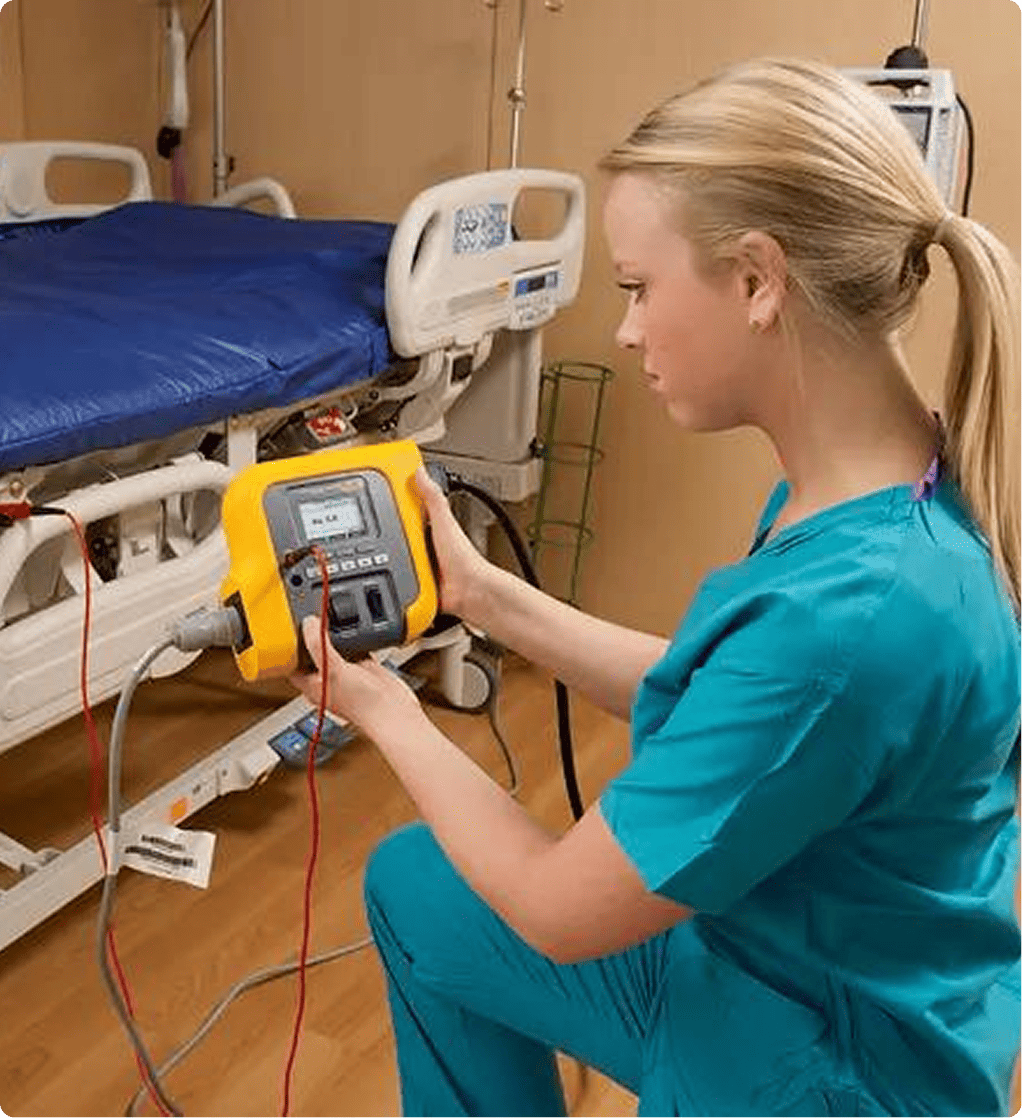
Electrical safety testing is most valuable when it is part of a broader, coordinated service relationship. MBT integrates testing into preventive maintenance programs, service contracts, and documentation workflows — connecting it to repair support, calibration, and ongoing equipment-service planning.

Facilities that require electrical safety testing typically have broader biomedical service needs as well. MBT is structured to support that full scope, providing a single, accountable service partner for equipment maintenance, compliance documentation, and follow-up coordination.

For facilities that currently have no structured electrical safety testing program, MBT can help define the scope, establish a testing schedule, and create the documentation baseline needed for compliance and recordkeeping purposes. This is particularly valuable for smaller facilities – nursing homes, assisted living communities, clinics, and physician offices – that have not previously worked with a biomedical service partner and need a practical, organized starting point.

Facility Types That Benefit From Electrical Safety Testing

Electrical safety testing applies across nearly every healthcare facility type. The specific equipment being tested varies by facility, but the need for organized, documented testing is consistent across the board.

  • Nursing homes and skilled nursing facilities – patient monitoring equipment, lift systems, therapy devices, and general patient-care equipment
  • Assisted living communities – basic patient-connected equipment, nurse call systems, and any devices used in resident care
  • Clinics and physician offices – diagnostic equipment, exam room devices, and any patient-connected equipment used in routine care
  • Ambulatory surgery centers – surgical support equipment, monitoring systems, and patient-connected devices used during procedures
  • Imaging centers – imaging systems and patient-connected accessories including coils, leads, and related equipment
  • Hospitals and outpatient departments – patient monitoring, infusion equipment, imaging accessories, and department-specific patient-care devices

MBT serves all of these facility types across Illinois and the broader Midwest region. If you are unsure whether your facility’s equipment falls within MBT’s testing scope, submit a request and MBT will review your equipment list and respond with a clear assessment.

Documentation After Every Testing Visit

Every electrical safety testing visit from MBT includes written documentation of what was tested, what results were found, and any follow-up actions identified. Documentation is provided in a format that supports facility recordkeeping, compliance file management, and biomed director review.

For facilities preparing for a Joint Commission survey, CMS inspection, or state licensing review, having current, organized electrical safety testing records is a baseline expectation. MBT’s documentation is structured to meet that expectation – not just to satisfy an internal checkbox, but to hold up under external review.

Facilities that work with MBT on a recurring basis build a testing history over time that demonstrates a consistent, proactive approach to equipment safety. That kind of documented track record is meaningful during surveys and inspections and reflects well on the facility’s overall equipment management program.
Frequently Asked Questions

Is electrical safety testing only for one type of equipment?

No. Electrical safety testing applies across a range of supported equipment categories depending on equipment design, service requirements, and approved scope. This includes patient monitoring equipment, imaging accessories, infusion devices, surgical support equipment, and other patient-connected or patient-care devices. MBT will review your equipment list to confirm what falls within scope before scheduling a testing visit.

Can this be included in a preventive maintenance program?

Yes. Electrical safety testing is most effective when it is part of a structured preventive maintenance program rather than a standalone one-time visit. MBT can incorporate testing into a recurring service schedule so facilities stay current on testing records without having to manage it as a separate engagement.

Do you provide documentation after testing?

Yes. Every testing visit includes written documentation covering what was tested, results found, and any recommended follow-up. Documentation is formatted to support compliance recordkeeping and is provided to the facility after every visit.

Can imaging equipment be included in electrical safety testing?

Yes. Imaging equipment and imaging accessories including patient-connected coils, leads, and related devices can be included in electrical safety testing where applicable. MBT’s lead engineer’s 30+ years of specialized radiology and diagnostic imaging experience means imaging equipment testing is performed with genuine system familiarity.

How often should electrical safety testing be performed?

Testing frequency depends on the equipment type, facility requirements, and applicable standards. For most patient-connected equipment in healthcare facilities, annual testing is a common baseline. MBT can help facilities determine an appropriate testing schedule based on their specific equipment inventory and compliance requirements.

Does MBT provide electrical safety testing for facilities outside Illinois?

Yes. MBT serves facilities throughout the Midwest including Indiana, Wisconsin, Michigan, Ohio, Minnesota, Iowa, Missouri, Kansas, Nebraska, North Dakota, and South Dakota. Contact MBT to confirm availability for your specific location.

Can MBT help a facility set up an electrical safety testing program from scratch?

Yes. For facilities that do not currently have a structured testing program, MBT can review the equipment inventory, define the testing scope, establish a schedule, and create the documentation baseline needed for compliance purposes. This is particularly common for smaller facilities like nursing homes, clinics, and assisted living communities that are setting up a formal biomedical service program for the first time.

How do I request electrical safety testing?

Submit a request through the website or call (708) 406-9887 directly. Include your facility type, location, and a general description of the equipment you need tested. MBT will follow up to review scope and schedule the visit.