
For healthcare facility administrators, HTM directors, and procurement professionals, choosing a biomedical equipment service provider is never just a simple matter of price per hour. The ramifications of your selection will impact many areas, including clinical uptime, patient safety, budget, and regulatory compliance.
By signing a service agreement, you entrust a vendor with the job of ensuring that vital assets are maintained and documented to meet the exacting requirements of The Joint Commission, CMS, and health departments. Poor decisions frequently become apparent when the stakes are the highest and unexpected inspections take place.
Assuming that you are in the process of evaluating your choices of vendors at the moment, there is a need for a proven approach that will help you see beyond the hype.
Quick Answer!
It is expected of any good biomedical equipment service company that it should be able to provide clear information regarding the equipment it services, the people servicing it, the maintenance services it provides, the repair services it offers, the paperwork it gives, and the things it does not cover under its contract. It is important to evaluate all these things before signing the contract.
What Should You Evaluate Before Signing?
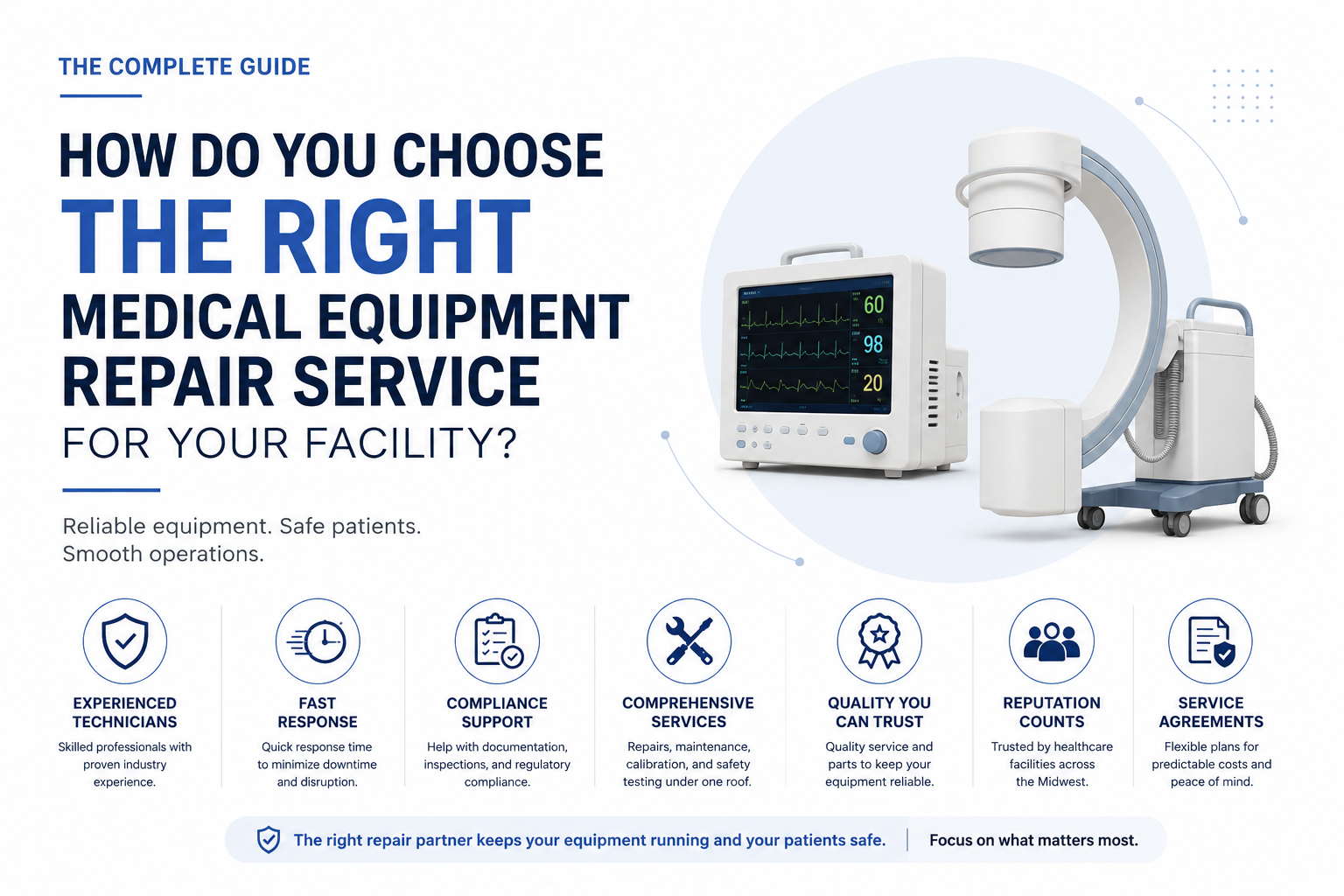
Prior to engaging in a contract for medical equipment maintenance, it is necessary to confirm that the claims made by a vendor through their promotional campaign are consistent with the actual situation. Below are the top 10 points to consider.
1. Equipment and Modality Coverage
First, consider if the firm actually has the capability to support your particular equipment inventory. While many claim to provide “service for all medical equipment,” biomedical maintenance is quite specialized.
You must validate whether your specific make and model is covered by this service provider. Do they deal with only normal biomedical equipment such as infusion pumps and patient monitoring systems or do they also have the expertise needed for diagnostic imaging systems?
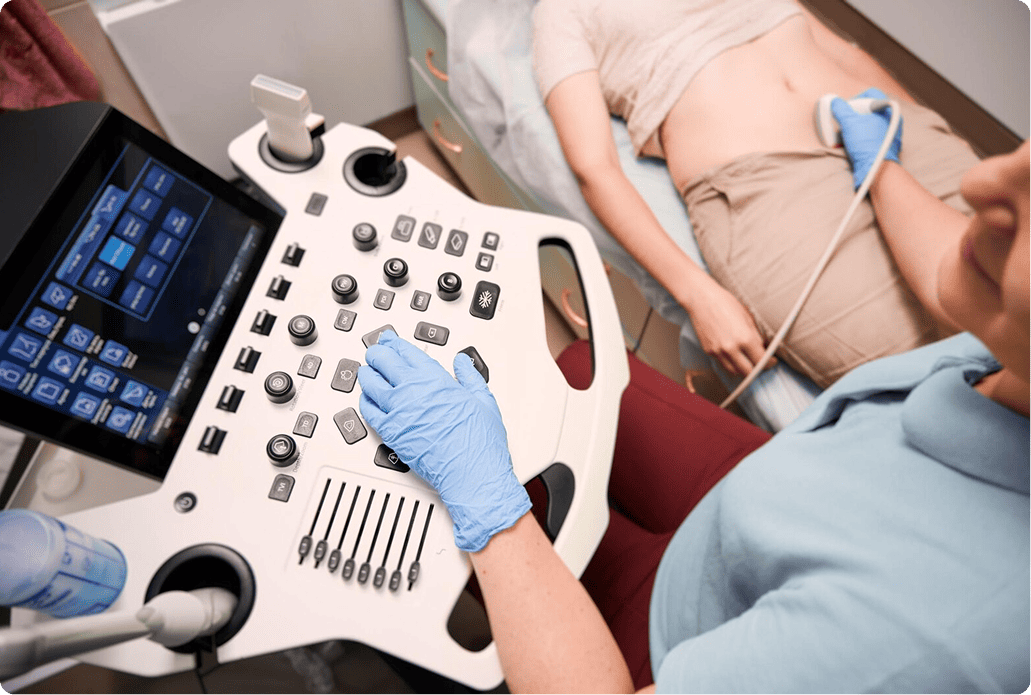
The provider should be able to define his serviceable scope not only for new products but also for the existing products that the OEM is no longer supporting. The vendor, who can provide services from the basic clinical devices up to complicated imaging systems such as CT, X-ray, fluoroscopy, C-arm, and ultrasound, will make your vendor management much easier.
2. Technician and Engineering Expertise
The value of the service firm depends on who enters the door. The procurement team has to identify who does the actual work.
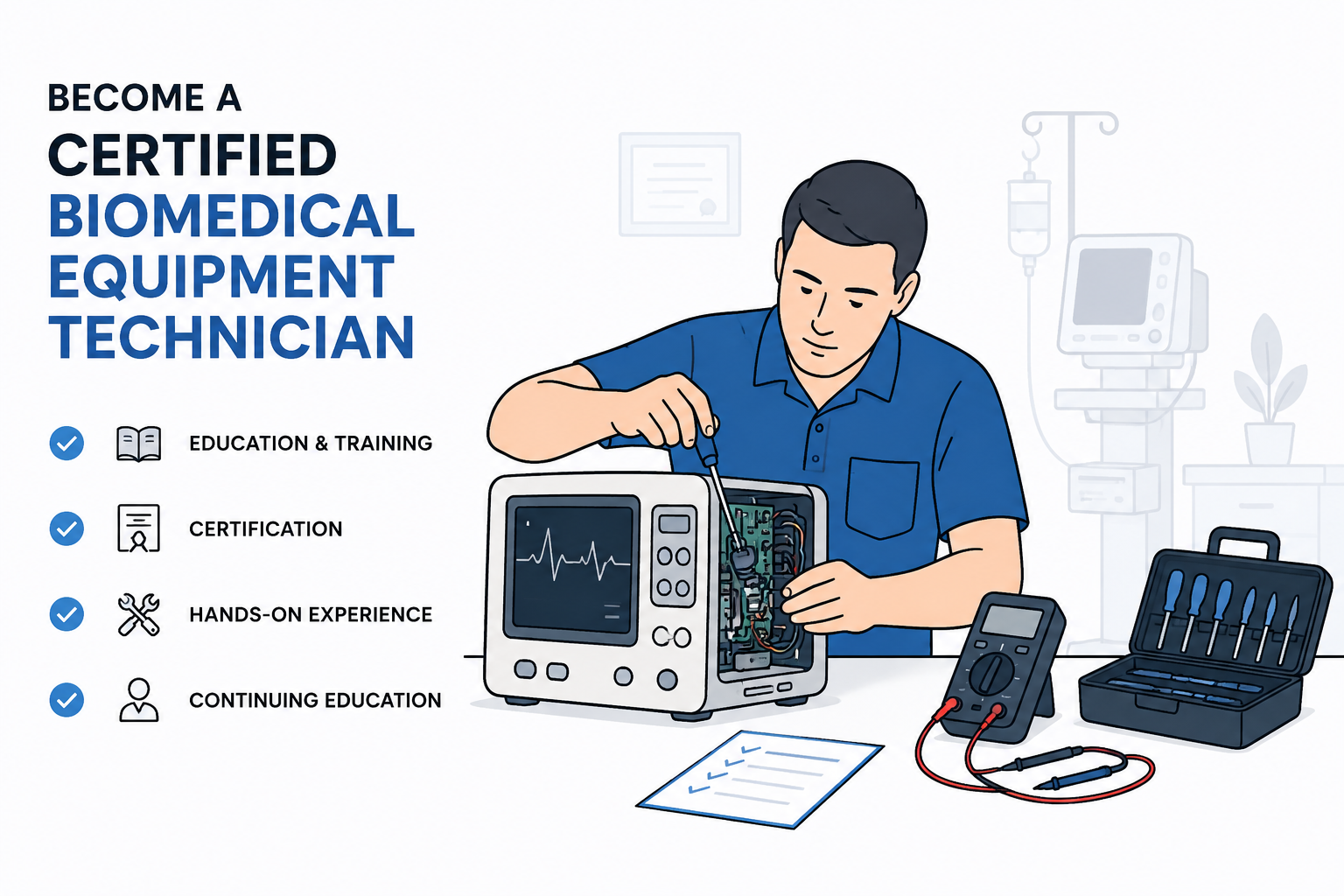
Are these technicians officially trained as BMETs or imaging engineers? Do these technicians have hands-on experience with your equipment? The good independent biomedical service company would not hesitate to show you the technical expertise of their people.
If your center depends on special diagnostic equipment, make sure that the vendor has highly skilled engineers on board. It is one thing to replace a broken component, but it takes great experience to troubleshoot an imaging machine failure.
3. Preventive Maintenance Scope
Preventive maintenance (PM) is the essence of any medical equipment service agreement. But “preventive maintenance” could mean anything to any vendor.
It’s imperative that you know precisely what will be included in the agreement. What exactly are the functional tests, calibrations, and electrical safety tests that will be carried out? Are they adhering only to OEM’s recommendations or have they instituted an alternative equipment maintenance (AEM) program?
Additionally, you need to know how your problem will be handled when found during a normal PM inspection. If the instrument fails its calibration, does the fix come as part of the current visit, or does it need another dispatch, estimate, and authorization? The clear understanding of this point avoids any unpleasant surprises.
4. Repair and Corrective-Service Process
The equipment is bound to malfunction one time or another. In the event that it does, how do the repairs take place?
Critique the corrective maintenance SOP of the provider in question in terms of how troubleshooting, repair authorization, and test reevaluation are handled. After the repairs are made, the machine should be reevaluated to see whether it works properly and is safe electrically. Any reliable provider of biomedical services would never allow you to return a repaired medical device to you unless they made sure that it was safe and functional.
5. Documentation and Compliance Support
Healthcare Technology Management: If It Is Not Documented, Then It Did Not Happen. Poor or disorganized documentation is one of the quickest ways to get cited during a facility survey.
Review sample service documentation before entering into any agreement. Effective documentation should contain the following elements:
- Identification of the specific pieces of equipment (make, model, serial number, and asset tag).
- Date of service.
- Description of services performed.
- Inspection and test results (pass/fail criteria).
- Actions taken.
- Technician that serviced the equipment.
Your records should be organized, readily available to your facility’s personnel, and able to be quickly produced when an inspector or surveyor arrives.
6. Response Time and Service Availability
In cases where critical equipment breaks down, each hour affects both patients and bottom lines. However, when the vendor guarantees “fast response time,” it is important to understand their definition of “response time.”
Is “response time” equal to the time taken to respond to a phone call, the time it takes to dispatch a repair person, or the time it takes to reach the site? In addition to this, one must define the definitions of telephone response and onsite response and resolve expectations. Finally, understand whether the contract provides for emergency or after-hour services.
7. Service Contract Terms
It is here that the procurement manager must scrutinize things. The terms and conditions of a medical equipment service agreement will determine your financial exposure. Look at the exclusions as closely as you do the inclusions.
In scrutinizing the terms and conditions, make sure that you have a clear understanding of the following:
- Labor and Travel: Are travel expenses included in the deal, or charged separately for each trip?
- Parts: Are replacement parts covered up to a specified dollar value, or are all parts outside of the contract?
- Exclusions: Are consumables such as batteries, cables, patient leads, etc., not covered? (They usually aren’t, but you should be aware.)
- Contract Term and Termination: What is the term of the contract? How much notice must be provided for termination of the contract? Watch out for contracts that renew themselves aggressively and force you to accept substantial annual rate hikes without approval.
8. Parts and Repair Transparency
One of the main reasons why equipment becomes unavailable is related to the accessibility of parts. It is very important to understand what sort of parts they provide for repairs. Do they work with OEM parts, high-quality aftermarket parts or refinished parts? What is their attitude toward back orders and discontinued parts? The reliable vendor should always discuss part procurement with you and never make any surprise repairs without your permission.
9. Geographic Coverage
The physical location of a service provider and their geographical presence are very important. While a large corporation that operates nationwide may seem very strong and reputable on paper, having your closest technician three states away will not help.
For healthcare facilities located in Illinois or the surrounding areas, the use of a Midwest-based company implies that the technicians would be physically closer to them. The local and regional companies have easier logistics for travel, as well as greater flexibility of scheduling visits due to the increased chance of meeting the same technicians.
10. References and Track Record
Finally, never sign a biomedical equipment maintenance contract without checking references.
Do not rely on any generic quote available online to prove that the supplier is qualified. Always ask the company to provide references of facilities similar to yours in terms of size, capacity, and equipment. For instance, if you run an ambulatory surgical center, talking to a reference at a hospital will not necessarily help you understand how they meet your facility’s requirements.
Evaluation Criteria Summary
| Evaluation Factor | Questions to Ask | Why It Matters |
| Equipment Coverage | Which equipment categories and models do you service? | Prevents coverage gaps and the need for multiple vendors. |
| Technician Expertise | Who will specifically service our equipment? | Confirms the technical capability to handle complex systems. |
| PM Scope | What specific inspections and tests are included? | Clarifies maintenance expectations and compliance standards. |
| Response Time | How exactly is response time measured and guaranteed? | Reveals actual service availability and downtime risk. |
| Documentation | What service records do we receive after a visit? | Supports equipment tracking and mandatory survey readiness. |
| Parts | How are replacement parts sourced and billed? | Helps manage repair delays and unexpected budget hits. |
| Contract Terms | What is explicitly excluded from the agreement? | Prevents unexpected expenses for consumables or travel. |
| Local Coverage | Where are your dispatchers and technicians based? | Helps assess practical travel times and responsiveness. |
| References | Can we speak with similar facilities in our region? | Provides independent validation of service quality. |
OEM vs. Independent Service Provider: Which is Better?
The decision about whether to use OEM or ISO service is one of the most frequent choices facility managers must make.
An OEM service is usually required when dealing with brand new and highly proprietary equipment that is still covered by its warranty. The company knows its products very well and is immediately accessible for any software updates. But at the same time, the contract with OEM is the most costly one, and it services only its own brand of equipment.
The ISO provides a multi-vendor solution. An ISO can handle maintenance and repair work for equipment from different vendors using the same service provider. This helps in cutting down on administrative costs. Also, independent service companies are always more economical than other service companies. They can offer service schedules based on your facility’s requirements.
It all boils down to how old your equipment is, the condition of its warranty and the expertise of your in-house team. What most hospitals do is a combination approach, where they have new and complex systems under OEM and move their clinical and old imaging equipment to an independent company.
15 Questions to Ask Before Signing
Use this checklist during your vendor evaluation process:
- Which equipment categories and specific models do you service?
- Who will actually perform the service on-site?
- What specific training or experience does that technician have with our equipment?
- What preventive maintenance activities (calibration, safety testing) are included?
- What testing and documentation will we receive after a visit?
- How are urgent or emergency service requests handled?
- How is your response time measured (phone vs. on-site)?
- Which parts and repair costs are included in the base contract?
- What is strictly excluded from the contract?
- What happens when equipment cannot be economically repaired?
- Are technician travel charges included or billed separately?
- How are additional, out-of-scope repairs approved and billed?
- How are service records stored, and how quickly can we access them?
- What happens when the contract term ends and renews?
- How can either party terminate the agreement, and what notice is required?
Red Flags to Watch For
During your vendor review, be on the lookout for warning signs that indicate a poor fit:
- Vague Coverage of Equipment: If they say “we do it all” without requesting an asset list, they certainly do not grasp the complexities of your equipment.
- Vague Contractual Exclusions: If a contract does not specify the exclusions, you can definitely expect trouble on billings in the future.
- Poor Record Keeping: If they cannot provide a sample report for PM inspection instantly, their record-keeping practices are surely not up to mark.
- Undisclosed Subcontracting: If they consistently subcontract work to external companies without informing you, you have no control over who gets access to your facility.
- Automatic Contract Renewal with Pressure: Be wary of contracts with automatic renewal clauses, which involve a massive increase in prices if they are not canceled within 90+ days.
The Midwest Biomedical Technologies Difference
Here at Midwest Biomedical Technologies, we appreciate the stress that healthcare organizations go through while trying to ensure proper equipment availability and compliance. We are an independent biomedical company located in Oak Brook, Illinois, and serve healthcare institutions throughout the Midwest.
During the process of assessing your facilities’ needs, we don’t blindly give you a boilerplate contract. Instead, we take the time to understand your individual equipment inventory and needs. Our unique selling point is our fusion of traditional biomedical services and our expertise in imaging. With a lead engineer that has over 30 years of experience with radiology and imaging, we are able to cover everything from basic monitors all the way up to CT/C-arm and X-rays.
Our company focuses on open communication, thorough documentation, and tailoring our maintenance program to suit your needs. We make sure that when surveyors arrive, your paperwork will be up to date and in order.
Key Takeaway
The process of analyzing biomedical equipment service companies needs careful business analysis. Making sure that the coverage offered by the vendor, the level of technical skills of their specialists, document control procedures, and contract provisions are thoroughly verified will save you from unpleasant surprises later on. You should look for a vendor that will be able to operate within your reality, rather than offer you the cheapest quote.
If your facility is based in Illinois, Indiana, Wisconsin or the Midwest region, and you should be currently re-evaluating your existing agreements for the maintenance of your medical equipment, we would be delighted to hear from you.
Contact Midwest Biomedical Technologies now to talk about your equipment inventory and discover how our independent recurring service programs can help you become more reliable and compliant.
Frequently Asked Questions
Does an independent biomedical equipment service company serve healthcare facilities in Illinois?
Yes. The independent biomedical companies such as Midwest Biomedical Technologies cover the whole Chicagoland region and the rest of Illinois. Our technicians visit the hospitals, clinics and other healthcare establishments and provide them with on-site services for preventive maintenance and repair needs.
What should Illinois healthcare facilities ask before signing a biomedical service contract?
It is important that facilities inquire on how service records will be maintained in order to comply with the regulations set out by the state health department and CMS. Facilities also need to clearly inquire about inclusion versus exclusion of travel expenses, replacement parts, and after-hours services.
Can a Midwest biomedical service company support imaging equipment?
Of course, though it all depends on the particular engineering abilities of the provider. Midwest Biomedical Technologies can offer great help in imaging equipment because of over 30 years of specialization in CT, X-rays, fluoroscopy, ultrasound, and C-arms.
How should a healthcare facility compare OEM and independent equipment service?
Compare them based on flexibility, costs, and age of equipment. OEMs are the best choice when you have a completely new proprietary system that is still under warranty. Independent companies provide more flexibility and can repair equipment from different manufacturers under one agreement.
What documentation should a biomedical equipment service provider provide?
The provider should provide complete service reports, including the identification of the equipment (make/model/serial number), date of service, activities completed during service, test results, and recommendations for future corrections.